



If you have ever enjoyed the sight of colourful birds singing in the morning or fluttering through a garden, you may have wondered how to attract birds to your own outdoor space. Birds add beauty, movement, and natural sounds to any environment while also providing important ecological benefits such as pollination, seed dispersal, and insect control. Whether you have a large backyard, a small garden, or even a balcony, creating a welcoming habitat for birds is easier than many people think.
The key is understanding their basic needs and providing a safe environment where they can feed, drink, rest, and nest. Once birds discover a reliable source of food and water in a secure location, they are likely to return regularly and may even raise their young nearby. By making a few thoughtful changes to your outdoor area, you can transform it into a thriving sanctuary that supports local bird populations throughout the year.
Understanding What Birds Need to Survive
Before learning how to attract birds, it is important to understand what motivates them to visit and remain in a particular area. Birds constantly search for four essential resources: food, water, shelter, and nesting opportunities. If any of these elements are missing, they may stop by briefly but will not stay for long. Different bird species also have unique preferences, meaning that a variety of resources is often necessary to attract a diverse range of visitors.
For example, some birds prefer seeds while others feed on insects, fruits, or nectar. Likewise, some species nest in tree cavities while others seek dense shrubs for protection. When you create an environment that meets these varying needs, your chances of attracting a wide variety of birdlife increase significantly. A successful bird-friendly habitat mimics natural ecosystems and offers birds everything they need to thrive.
Provide a Variety of Nutritious Food Sources
One of the most effective ways to learn how to attract birds is by offering a diverse selection of food. Different species have different dietary requirements, so relying on a single type of feed may limit the number of birds you attract. Black oil sunflower seeds are considered one of the best all-around bird foods because they appeal to many common species. Millet can attract sparrows and doves, while nyjer seeds are particularly attractive to finches. Suet provides valuable energy and is especially beneficial during colder months when birds require extra calories to stay warm.
In addition to seeds, offering fresh fruits such as apples, oranges, and berries can attract fruit-eating species. Nectar feeders filled with a simple sugar-water solution are excellent for hummingbirds and other nectar-feeding birds. Mealworms can also be provided for insect-eating birds. Consistency is important because birds quickly learn where dependable food sources are located. Keeping feeders stocked and clean encourages repeat visits and helps establish your yard as a trusted feeding destination.
Create a Reliable Source of Fresh Water
Water is often overlooked when considering how to attract birds, yet it can be even more important than food. Birds need water daily for drinking and maintaining their feathers. A clean birdbath can quickly become a favourite gathering place for local birds. A shallow water source is best because it lets birds drink and bathe safely without any danger.
Moving water is particularly attractive because birds can hear it from a distance and recognise it as fresh. Adding a small fountain, dripper, or water agitator can dramatically increase the number of visitors. During hot weather, fresh water becomes especially valuable and may attract species that otherwise would not visit your property. Regular cleaning is essential to prevent algae growth and maintain a healthy environment. Birds are naturally drawn to clean and dependable water sources, making this one of the most effective strategies for attracting them.
Plant Native Trees, Shrubs, and Flowers
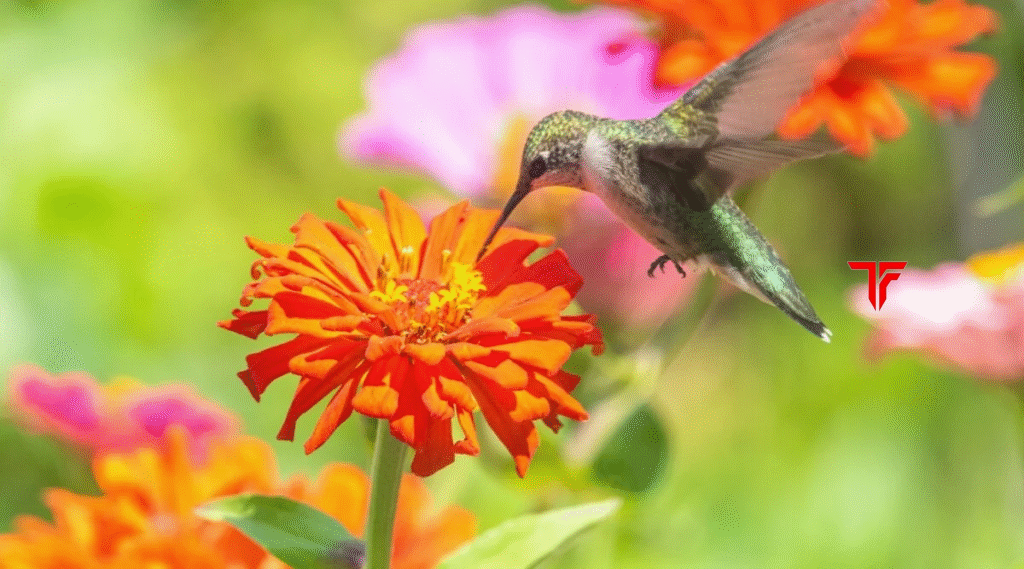
Natural landscaping plays a major role in attracting birds successfully. Native plants provide food, shelter, and nesting opportunities while supporting local insect populations that many birds rely on for nutrition. Trees offer perching and nesting sites, while shrubs provide protective cover from predators and harsh weather.
Flowering plants can attract insects and pollinators, creating a natural food chain that benefits birds. Berry-producing shrubs are especially valuable because they provide seasonal food. A landscape that includes multiple layers, such as ground cover, shrubs, and tall trees, creates a more inviting habitat. Birds feel safer when they have easy access to protective vegetation where they can quickly escape danger. By incorporating a variety of native plants into your outdoor space, you create a sustainable environment that supports birds year-round.
Offer Safe Shelter and Protection
Providing food and water is not enough if birds do not feel secure. Understanding how to attract birds also involves creating safe spaces where they can rest and hide. Birds face numerous threats from predators such as cats, hawks, and other animals. Dense shrubs, evergreen trees, and thorny plants can provide excellent refuge.
Position feeders close to natural cover so birds can retreat quickly if they sense danger. Avoid placing feeders in completely open areas where birds may feel exposed. Reducing disturbances from loud noises and frequent human activity can also encourage birds to spend more time in your yard. Safety is a critical factor in habitat selection, and birds are much more likely to become regular visitors when they feel protected.
Encourage Nesting and Breeding
If your goal is not only to attract birds but also to encourage them to stay, providing nesting opportunities is essential. Birdhouses designed for specific species can offer secure nesting sites where natural cavities are limited. The size of the entrance hole and the placement of the birdhouse should match the requirements of the target species.
Leaving natural materials such as twigs, dry grass, and leaves available can help birds construct nests. Avoid excessive pruning during nesting season because many birds build nests in shrubs and trees. A welcoming nesting environment increases the likelihood that birds will return year after year and establish long-term populations in your area. Watching birds raise their young can be one of the most rewarding experiences for any bird enthusiast.
Maintain a Chemical-Free Environment
A healthy habitat is a crucial component of attracting birds effectively. Pesticides and chemical fertilisers can reduce insect populations and contaminate food sources. Since many birds rely on insects to feed themselves and their chicks, eliminating these chemicals helps create a safer and more productive ecosystem.
Organic gardening practices support biodiversity and encourage a natural balance between plants, insects, and wildlife. Birds are more likely to thrive in environments where they can find abundant natural food without exposure to harmful substances. By choosing environmentally friendly gardening methods, you create a sanctuary that benefits both birds and the broader ecosystem.
Conclusion
Learning how to attract birds is about more than simply hanging a feeder in your yard. Birds need a complete habitat that provides food, water, shelter, and nesting opportunities in a safe and healthy environment. By offering diverse food sources, maintaining clean water, planting native vegetation, creating protective shelter, and avoiding harmful chemicals, you can transform any outdoor space into a thriving bird sanctuary. With patience and consistency, local bird species will discover your habitat and return regularly, bringing beauty, song, and life to your surroundings throughout the year.
Frequently Asked Questions (FAQs)
1. The quickest way to bring birds into your yard is by offering fresh water, quality food, and nearby shelter.
The fastest way is to provide fresh water, high-quality birdseed, and nearby shelter. Birds are often attracted to water even before they discover food sources.
2. Which bird food attracts the most species?
Black oil sunflower seeds are considered one of the best options because they appeal to a wide variety of birds.
3. How often should bird feeders be cleaned?
Bird feeders should be cleaned at least every one to two weeks, or more frequently during wet weather or heavy use.
4. Do birds prefer natural plants or feeders?
Birds benefit from both, but native plants provide food, shelter, and nesting opportunities that support them throughout the year.
5. Can I attract birds to a small balcony?
Yes, even a small balcony can attract birds by providing feeders, water dishes, and potted plants that offer food and shelter.
READ MORE: thefundly
