



When people talk about actors who choose depth over noise, Edward Norton’s name always finds its way into the conversation. His journey does not follow the usual path of constant headlines and predictable roles. Instead, it moves with intention. Each step feels considered, each performance shaped by thought rather than impulse.
He is not the kind of actor who appears everywhere at once. He works less often than many of his peers, but when he does, his presence carries weight. There is a sense that he is not just performing. He is building something inside the story. That quiet control has defined his entire career.
Early Life That Shaped His Thinking
Edward Norton was born on August 18, 1969, in Boston, Massachusetts. He grew up in a family that valued education and awareness. His father worked as an environmental lawyer, and his mother was an English teacher. That environment shaped the way he looked at the world.
Not just acting, but understanding people. He studied history at Yale University, which may seem like a different path, but it helped him develop a deep sense of context. History teaches perspective, and that perspective later became part of his acting style.
He did not rush into Hollywood. After graduating, he worked in Japan before returning to the United States. That distance from the industry gave him time to grow as a person before stepping into the spotlight.
The Breakthrough That Changed Everything
His first major role came in the film Primal Fear. For many actors, a debut performance is about finding comfort. For Edward Norton, it was about making an impact. He played a complex character with layers of innocence and darkness, and he delivered it with confidence that surprised audiences and critics alike.
That role earned him an Academy Award nomination. It was not just recognition. It was a statement. He was not entering the industry quietly. He was arriving with something to say.
Finding Depth in Every Role
One of the defining qualities of Edward Norton’s career is his ability to choose roles that challenge both him and the audience. He does not settle for simple characters. He looks for stories that carry tension, emotion, and meaning.
In American History X, he portrayed a man shaped by anger and later forced to confront the consequences of his beliefs. The performance was intense, honest, and difficult to watch at times. It showed how far he was willing to go to bring truth into a character.
Then came Fight Club, a film that became a cultural landmark. His role in the movie was quiet on the surface but filled with inner conflict. The story itself questioned identity, control, and modern life. His performance gave those themes a human face.
These roles were not chosen for popularity. They were chosen for impact. That pattern continued throughout his career.
Working With Visionary Directors
His collaboration with David Fincher in Fight Club created one of the most talked-about films of its time. Fincher’s precise direction, combined with Norton’s controlled acting style, created something unique.
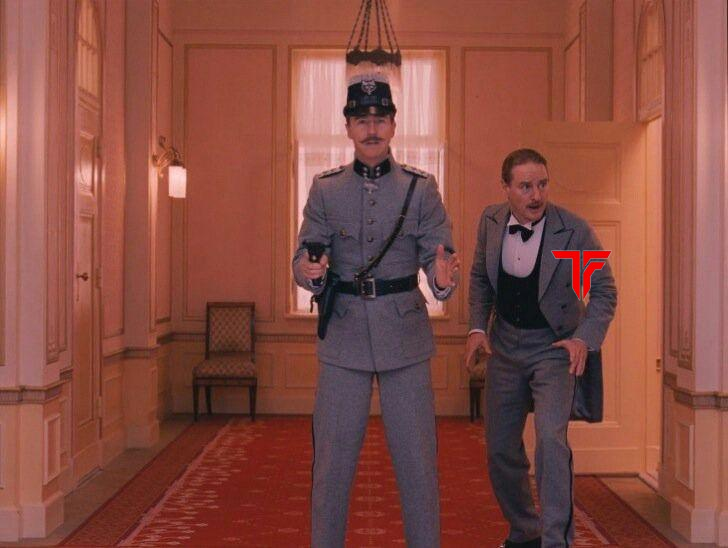
He also worked with Wes Anderson, a filmmaker known for his distinct visual and narrative style. In films like The Grand Budapest Hotel, Norton adapted to a completely different tone. The performance was lighter, but still thoughtful.
This ability to adjust without losing identity is rare.
More Than Just Acting
Edward Norton is not only an actor. He is also a filmmaker and producer. He directed and starred in Motherless Brooklyn, a project that reflected his deep interest in storytelling. The film took years to complete, showing his patience and commitment.
He is known for being deeply involved in his projects. He reads scripts carefully, offers ideas, and sometimes even helps shape the final version of the film. This level of involvement has earned him both respect and criticism. Some see it as dedication. Others see it as control.
But from his perspective, it is about protecting the story.
A Career Built on Selective Choices
Unlike many actors who appear in multiple films each year, Edward Norton takes a different approach. He chooses fewer roles, but each one has purpose. This has kept his career steady rather than overwhelming.
His role in Birdman brought him back into the spotlight in a powerful way. The film itself explored themes of identity, ego, and relevance. Norton’s performance added a layer of sharp humour and honesty to the story.
Later, he joined the Marvel Cinematic Universe in The Incredible Hulk, showing that he was open to larger productions as long as the character offered something interesting.
The Balance Between Fame and Privacy
Edward Norton has always maintained a certain distance from the typical celebrity lifestyle. He does not seek constant attention. He rarely shares details of his personal life. This choice has allowed him to stay focused on his work.
In an industry where visibility often defines success, he has chosen a different path. He lets his work speak for itself. That decision has helped him maintain a sense of authenticity.
A Mind That Goes Beyond Film
Outside of acting, Edward Norton is known for his interest in social and environmental issues. He has supported various initiatives related to sustainability and community development. His work in these areas reflects the values he grew up with.
He is also involved in technology and business ventures. This shows that his thinking extends beyond storytelling. He looks at the world from multiple angles, always trying to understand how things connect.
What Makes His Acting Stand Out
There is a certain quality in Edward Norton’s performances that feels different. It is not about loud expressions or dramatic gestures. It is about subtlety. The way he uses silence, pauses, and small movements creates a deeper connection with the audience.
He does not just play a character. He explores it. He looks for the reasons behind every action. This approach makes his performances feel real, even when the story itself is complex.
Challenges and Criticism
No career is without challenges. Edward Norton has faced criticism for being difficult to work with at times. His strong opinions and involvement in projects have led to disagreements.
However, these challenges also highlight his commitment. He cares deeply about the work. He is not willing to compromise when he believes something can be improved. While this approach can create tension, it also leads to stronger results.
A Legacy That Continues to Grow
Edward Norton’s career is not defined by the number of films he has made. It is defined by the impact of those films. Each role adds something new to his legacy.
He has built a reputation as an actor who values meaning over fame. His work continues to inspire both audiences and other actors. It shows that success does not have to follow a single path.
The Human Side of Edward Norton
Beyond the roles and achievements, there is a human story. A person who chose to move slowly in a fast industry. Someone who values thought over speed, and depth over surface.
That choice has shaped everything he does. It is the reason his work feels different. It is the reason people continue to search for his films, even years after their release.
Why Edward Norton Still Matters Today
In a world where content is constantly being produced, it is easy for performances to feel temporary. But Edward Norton’s work has a lasting quality. His films are revisited, discussed, and studied.
He reminds us that storytelling can still be powerful when it is done with care. That acting is not just about being seen, but about being understood.
Conclusion
Edward Norton’s journey is not about constant visibility. It is about consistency in quality. He has built a career that feels intentional, thoughtful, and deeply connected to the stories he chooses to tell.
His work stands as a reminder that true impact comes from understanding, patience, and the courage to choose a different path.
READ MORE: thefundly
