



In the modern digital education era, read theory has become a widely recognised tool designed to strengthen reading comprehension skills in a structured and adaptive way. It is not a person, but an educational platform built to help students improve how they understand written text through guided practice and continuous feedback.
Using short passages, interactive quizzes, and performance tracking, it creates a learning experience that adapts to each user’s progress.
This makes it especially useful for students who struggle with reading comprehension as well as those who want to advance beyond their current grade level.
What is Read Theory and How It Works
The core system of read theory is based on adaptive learning technology, which means it continuously evaluates a learner’s performance and adjusts accordingly. When a student first begins using the platform, they are given a placement test that determines their reading level. After this initial step, the system begins presenting passages that match that level.
Each passage is followed by a set of multiple-choice questions designed to test understanding, including main ideas, vocabulary, inference, and detail recognition. Based on the learner’s answers, the platform recalibrates the difficulty of future passages. If the student performs well, the passages become more challenging, introducing advanced vocabulary and complex sentence structures. If the student struggles, the system provides simpler material to rebuild understanding before increasing difficulty again.
This cycle of assessment and adjustment ensures that learning is always happening at an optimal pace. One of the strongest features of read theory is its immediate feedback system, which explains why an answer is correct or incorrect, helping learners develop deeper comprehension skills rather than memorising answers.
Key Features of Read Theory
One of the reasons the read theory has gained popularity is because of its wide range of educational features designed to support both students and teachers. The platform includes adaptive learning technology, which is the foundation of its personalised instruction system. Another major feature is instant feedback, which provides explanations after each quiz, allowing learners to understand their mistakes in real time.
The system also includes progress tracking tools, where users can monitor their improvement over time through performance data and reading level adjustments. In addition, gamification elements such as points, badges, and achievement milestones help keep students motivated and engaged. These elements make learning feel less like a traditional classroom task and more like an interactive challenge.
Teachers benefit as well, since they can access detailed reports on student performance, identify weak areas, and assign targeted practice.
Educational Benefits of Read Theory
The educational benefits of reading theory extend beyond simple reading practice. One of its most important advantages is that it helps build critical thinking skills, since students must analyse texts, interpret meaning, and draw conclusions. This strengthens not only reading ability but overall academic performance in subjects that require comprehension, such as science and social studies.
It also encourages independent learning, allowing students to take control of their educational journey. For teachers and parents, reading theory provides valuable insight into a learner’s strengths and weaknesses, making it easier to offer targeted support. Over time, consistent use of the platform can significantly improve reading speed, accuracy, and comprehension depth.
Who Uses Read Theory and Why It is Popular
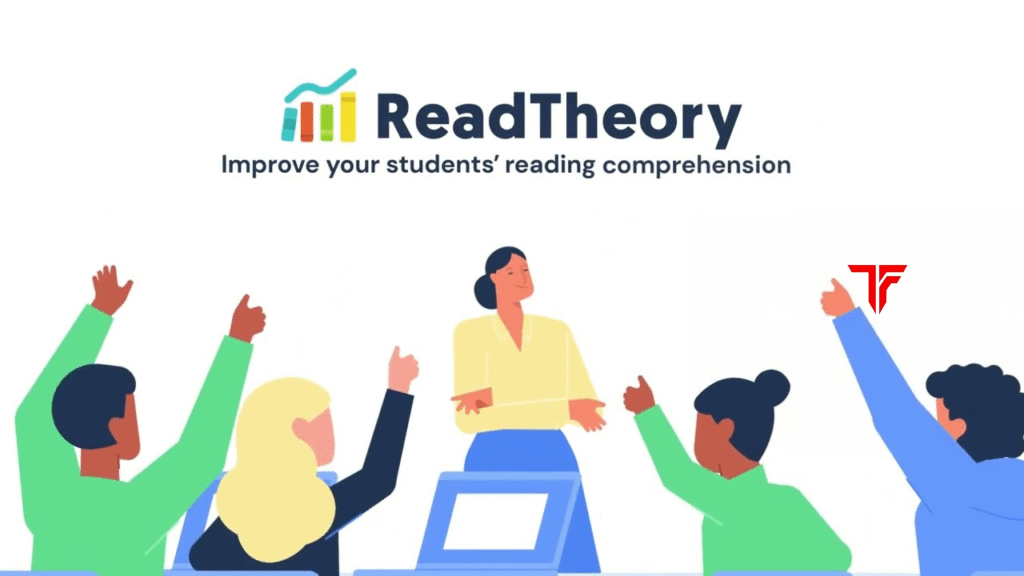
The users of the read theory range from elementary school students to adult learners who want to improve their reading skills. It is especially popular in school environments because it aligns with curriculum goals and supports standardised test preparation. Teachers use it to supplement classroom instruction, while parents often use it for homeschooling or extra practice at home. One reason for its popularity is its simplicity; students do not need advanced technical skills to use it.
Another reason is its adaptability, which ensures that each learner receives a personalised experience. In addition, the platform’s ability to track progress over time makes it easier for educators to measure improvement. Many learners appreciate that they can work at their own pace without feeling pressured by peers, which creates a more comfortable learning environment. This combination of flexibility, structure, and feedback makes the read theory a widely trusted tool in modern education.
How Read Theory Improves Long-Term Learning Skills
Long-term learning improvement is one of the main goals of reading theory, and it achieves this through consistent exposure to reading material and gradual skill development. By repeatedly engaging with different types of passages, learners become familiar with various writing styles, tones, and structures. This improves reading fluency and comprehension accuracy over time. The system also encourages active learning, where students must think critically about each question rather than passively reading.
This active engagement strengthens memory retention and analytical skills. Another long-term benefit is confidence-building, as students can clearly see their progress through rising reading levels and improved scores. This motivates them to continue learning and pushing their abilities further. As learners advance, they develop stronger academic habits such as attention to detail, time management during tests, and better interpretation of complex information.
Challenges and Limitations of Read Theory
While the read theory offers many advantages, it also has certain limitations. One challenge is that it relies heavily on multiple-choice questions, which may not fully measure a student’s writing or expressive skills. Some learners may also find the repetitive structure less engaging over long periods of use.
Another limitation is that it focuses primarily on reading comprehension and does not fully cover other language skills, such as speaking or creative writing. However, despite these limitations, it remains a highly effective supplementary learning tool when used alongside traditional teaching methods. Educators often recommend combining it with classroom discussions, writing exercises, and reading aloud activities to achieve a more balanced learning experience.
Why Read Theory Matters in Modern Education
In today’s education system, reading comprehension is a foundational skill that affects success across all subjects. Reading theory plays an important role in strengthening this skill by providing structured, adaptive, and measurable practice. As education continues to shift toward digital platforms, tools like this become increasingly important for supporting diverse learning needs.
The combination of technology, accessibility, and skill-based learning makes Read Theory a valuable resource for improving literacy on a large scale.
Frequently Asked Questions (FAQs)
1. What is Read Theory used for?
Read Theory is used to improve reading comprehension skills through adaptive reading passages and quizzes that adjust to a learner’s ability level.
2. Is Read Theory free to use?
Yes, the read theory offers a free version that includes core learning features, although some advanced tools may require premium access.
3. Who can use Read Theory?
It is designed for students from elementary to high school levels, but adult learners can also use it to improve reading skills.
4. How does Read Theory improve reading skills?
It improves reading by providing level-based passages, instant feedback, and continuous difficulty adjustment based on performance.
5. Can Read Theory replace classroom learning?
No, the read theory is best used as a supplementary tool alongside classroom instruction rather than a complete replacement.
Conclusion
In conclusion, read theory is a powerful educational platform that enhances reading comprehension through adaptive learning, instant feedback, and personalised practice. It supports learners at different skill levels and helps them grow gradually through structured reading exercises. While it has some limitations, its benefits in improving literacy, critical thinking, and academic performance make it a valuable tool in both classrooms and home learning environments. As digital education continues to expand, platforms like Read Theory will remain essential in helping learners build strong foundational reading skills that support lifelong learning.
READ MORE: thefundly
