



Snowboarding is one of the most exciting winter sports, offering a unique combination of adventure, freedom, and athletic challenge. Whether you dream of carving down mountain trails, exploring terrain parks, or simply enjoying a new outdoor activity, learning how to snowboard can open the door to countless unforgettable experiences. While snowboarding may appear difficult at first, especially for complete beginners, the learning process becomes much easier when broken into manageable steps. Understanding proper stance, balance, edge control, and turning techniques can dramatically improve your progress and help you gain confidence on the snow.
Understanding the Basics of Snowboarding
Before stepping onto a snowboard, it is important to understand the fundamentals of how the board works. Unlike skiing, where each foot moves independently, a snowboard requires both feet to remain attached to a single board. This setup means your movements, balance, and body positioning play a significant role in controlling direction and speed. Learning how to snowboard starts with understanding the concept of edges. Effective snowboarding depends on understanding your board’s toe and heel edges, as they provide the control needed for stopping, steering, and maintaining stability on the slopes.
Establishing your natural snowboard stance is one of the first and most important steps in the learning process. Riders who place their left foot forward are known as regular riders, while those who place their right foot forward are called goofy riders. Knowing your natural stance will help create a more comfortable and stable riding experience. Once your bindings are adjusted correctly, you can begin developing the balance and coordination required for snowboarding.
Choosing the Right Snowboarding Equipment
Selecting appropriate gear is essential for anyone learning how to snowboard. A properly sized snowboard can make a significant difference in your ability to control movements and maintain stability. Beginners should generally choose a softer-flex snowboard because it is more forgiving and easier to manoeuvre. Snowboard boots should fit snugly without causing discomfort, while bindings should securely connect your boots to the board.
In addition to the board itself, protective equipment should never be overlooked. A certified helmet helps reduce the risk of head injuries, while waterproof jackets and pants keep you dry throughout the day. Proper gloves, snowboard socks, and goggles also contribute to comfort and safety. Using reliable, well-fitted gear can boost your confidence on the slopes while making the learning process smoother and more enjoyable.
Learning Balance and Stance on Flat Ground
One of the most important aspects of learning how to snowboard is becoming comfortable with your board before heading down a slope. Practising on flat terrain allows beginners to focus on balance without the added challenge of speed. Start by standing with your knees slightly bent and your weight centred over the board. Your shoulders should remain aligned with the snowboard, and your eyes should look in the direction you intend to travel.
Flat-ground exercises help develop muscle memory and confidence. Many beginners underestimate the importance of these drills, but they provide a strong foundation for future progress. Practising movement while one foot is strapped in also teaches valuable skills needed for navigating lift lines and gentle terrain.
Mastering Skating and Gliding Techniques
Before riding downhill, snowboarders must learn how to move efficiently across flat areas. Skating is a technique where the front foot remains strapped to the board while the back foot pushes against the snow, similar to riding a skateboard. This skill is particularly useful when approaching ski lifts or travelling short distances.
Once comfortable with skating, riders can practice gliding. After gaining momentum with the free foot, place it gently against the rear binding and allow the board to slide forward. Developing confidence with skating and gliding makes transitions on the mountain much smoother and prepares beginners for more advanced techniques later.
Understanding Edge Control and Speed Management
A critical milestone in learning how to snowboard is mastering edge control. Edge control allows riders to regulate speed and maintain stability on slopes. Beginners should start with side-slipping exercises, which involve sliding down a gentle hill while maintaining pressure on either the heel edge or toe edge.
Heelside slipping requires lifting the toes slightly to engage the heel edge and control movement. Toeside slipping involves pressing the shins into the front of the boots and engaging the toe edge. Practising these movements repeatedly helps riders become familiar with how their board responds to different pressure adjustments. Strong edge control significantly reduces the likelihood of falls and provides the confidence needed to progress to turning.
Learning How to Turn Effectively
Turning is one of the most rewarding skills when learning how to snowboard because it allows riders to navigate slopes with control and precision. Beginners typically start with J-turns, which involve travelling downhill briefly before shifting weight onto one edge and turning across the slope until stopping.
Once J-turns feel natural, riders can progress to linking turns. Linked turns require transitioning smoothly between the heel edge and toe edge while maintaining forward momentum. The key to successful turning is keeping weight centred and looking toward the desired direction of travel. Many new snowboarders focus too much on their feet, but turning begins with vision and body alignment. With consistent practice, linking turns becomes fluid and intuitive.
Common Mistakes Beginners Should Avoid
Many people learning how to snowboard make similar mistakes that can slow their progress. One common error is standing too upright, which reduces stability and makes balancing more difficult. Maintaining slightly bent knees helps absorb terrain changes and improves overall control.
Another frequent mistake is leaning backwards due to fear of falling. While this may feel safer, it actually reduces steering ability and increases the chance of losing control. Beginners should focus on keeping their weight balanced over the board rather than shifting excessively toward the tail. Additionally, attempting advanced terrain too soon can lead to frustration and injuries. Building skills gradually on beginner-friendly slopes often results in faster long-term improvement.
Safety Tips for a Better Snowboarding Experience
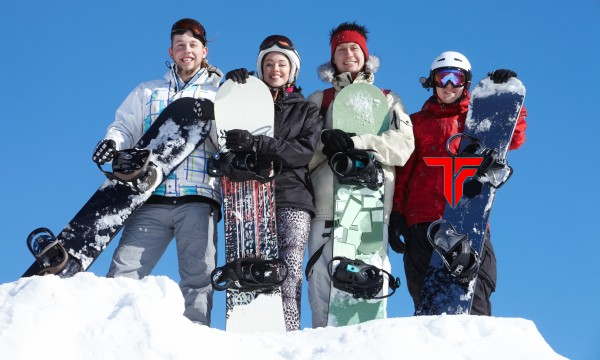
Safety should always remain a priority when learning how to snowboard. Wearing a helmet is strongly recommended regardless of skill level. Riders should also remain aware of their surroundings and respect mountain etiquette. The downhill rider generally has the right of way, making it important to avoid unpredictable movements that could cause collisions.
Learning how to fall safely is another valuable skill. Instead of extending stiff arms during a fall, try to keep your body relaxed and absorb impact with larger muscle groups. Taking lessons from qualified instructors can further improve safety while accelerating skill development. Professional guidance helps identify bad habits early and provides personalised feedback that self-teaching often cannot offer.
Conclusion
Learning how to snowboard may feel challenging in the beginning, but the rewards are well worth the effort. By focusing on proper stance, balance, skating, edge control, and turning techniques, beginners can build a strong foundation for long-term success. Patience and consistent practice are essential, as every rider progresses at a different pace. With the right equipment, a commitment to safety, and a willingness to learn from mistakes, anyone can develop the confidence needed to enjoy the thrill of snowboarding. Over time, what once felt difficult becomes second nature, transforming every run down the mountain into an exciting and enjoyable adventure.
FAQs
1. How long does it take to learn how to snowboard?
Most beginners can learn basic snowboarding skills within one to three days of practice. Achieving smooth turns and greater confidence may take several additional sessions.
2. Is snowboarding harder than skiing?
Snowboarding often has a steeper initial learning curve because both feet are attached to one board. However, many people find it easier than skiing once they master balance and edge control.
3. What is the best age to start snowboarding?
People can begin snowboarding at almost any age. Children, teenagers, and adults can all learn successfully with proper instruction and equipment.
4. Do I need lessons to learn how to snowboard?
While it is possible to learn independently, professional lessons can significantly speed up progress and help prevent the development of poor techniques.
5. What should beginners practice first in snowboarding?
Beginners should focus on balance, stance, skating, and edge control before attempting advanced turns or steeper terrain.
READ MORE: thefundly
