



Learning how to build a fire pit is one of the most rewarding backyard improvement projects because it combines functionality, aesthetics, and outdoor enjoyment in a single build. A well-designed fire pit becomes the centre of gatherings, offering warmth, light, and a cosy atmosphere for family and friends. Whether you are a beginner or someone with basic DIY experience, this project is manageable over a weekend if planned properly. The key to success lies in understanding the correct materials, preparing a stable base, and following a structured building process. When done correctly, a fire pit can last for years with minimal maintenance and provide a safe environment for controlled fires. This guide will walk you through every essential detail of how to build a fire pit, ensuring you avoid common mistakes and create a structure that is both durable and visually appealing.
Planning and Safety Considerations
Before starting the physical work, careful planning is the most important step in building a fire pit. The location should be chosen with safety as the top priority, ensuring it is placed at least 10 to 15 feet away from buildings, fences, trees, and any flammable materials. Wind direction should also be considered, as it affects smoke movement and fire control. It is essential to check local regulations or community rules, as some areas have restrictions on open flames or require permits.
Ground conditions matter significantly as well. A flat, stable surface is ideal, but most backyards require levelling. Avoid areas prone to water pooling, as moisture can weaken the foundation over time. You should also think about seating space and traffic flow around the fire pit. A well-planned layout enhances usability and ensures comfort for everyone using it. Proper planning not only improves safety but also makes the entire process of building a fire pit smoother and more efficient.
Choosing the Right Materials
Selecting the correct materials plays a major role in durability and performance. The most commonly used options include concrete retaining wall blocks, natural stone, or heat-resistant bricks. For beginners, interlocking blocks are often the easiest choice because they require minimal cutting and provide strong structural support. A steel fire ring is also highly recommended because it protects the outer structure from direct flame exposure and helps maintain shape over time.
A solid base is equally important. Crushed gravel is typically used because it provides excellent drainage and prevents shifting. In some cases, levelling sand or stone dust may be added to create a smoother surface. Heavy-duty heat-resistant construction adhesive helps secure the layers of blocks, ensuring stability even after repeated heating and cooling cycles. Choosing high-quality materials is essential when learning how to build a fire pit, as it directly impacts safety, longevity, and appearance.
Step-by-Step Construction Process
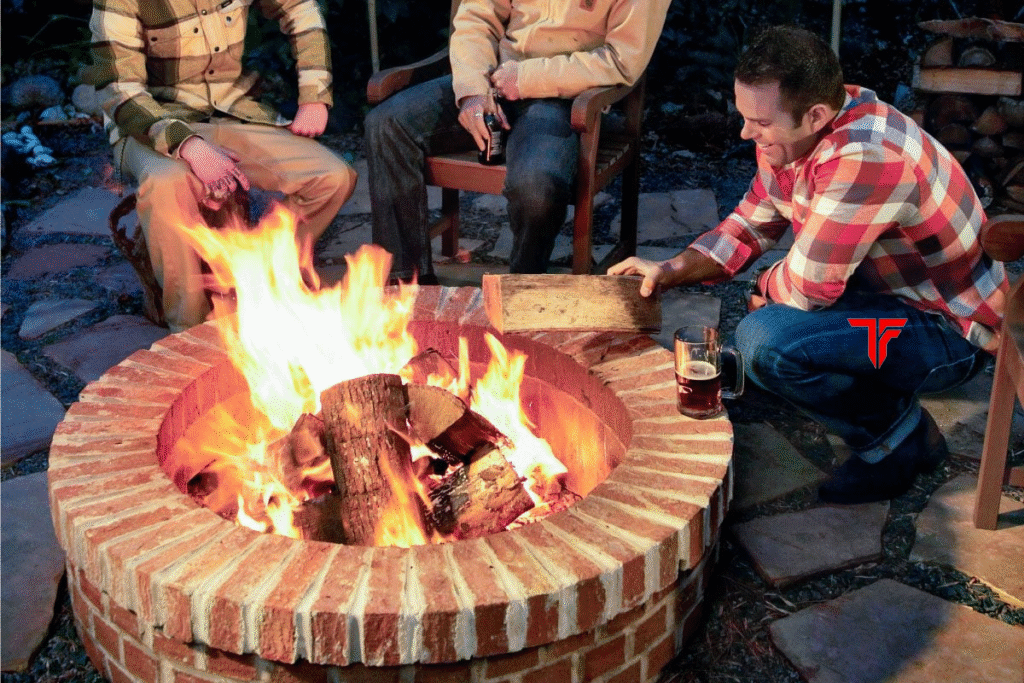
The actual process of building a fire pit begins with marking the area. Use a stake and string to outline a circle slightly larger than your fire ring. Once marked, excavate the area to a depth of about 6 to 8 inches, removing grass and loose soil. The ground must then be compacted firmly using a hand tamper to create a stable foundation. This step is critical because any weakness in the base can lead to shifting or uneven walls later.
Next, add a layer of crushed gravel, typically 3 to 5 inches thick, and compact it thoroughly. This layer improves drainage and prevents water accumulation inside the pit. After the base is prepared, begin laying the first ring of blocks. Take your time to ensure perfect levelling, as this foundation determines the stability of the entire structure. A rubber mallet can help adjust block height, while a level ensures accuracy.
Once the first layer is set, continue stacking additional rows while staggering the joints for strength. Applying masonry adhesive between layers locks the structure in place. Most fire pits are built 3 to 4 layers high, depending on the desired height. Finally, place the steel fire ring inside the structure, ensuring it sits securely without direct pressure on the blocks. This completes the core process of how to build a fire pit in a safe and structured way.
Design Variations and Upgrades
After mastering the basic method of building a fire pit, you can explore design upgrades to improve functionality and appearance. A popular option is a smokeless design, which improves airflow by allowing oxygen to enter from the bottom and sides, resulting in a cleaner burn. Another upgrade is adding a double-layer ring system for enhanced heat resistance and durability.
Aesthetic improvements can also transform the final look. Using natural stone instead of standard blocks creates a rustic appearance, while adding a capstone layer on top provides a polished, finished edge that can also serve as seating. Some homeowners incorporate built-in benches or surrounding gravel patios to enhance the overall outdoor space. These enhancements not only improve usability but also increase the visual appeal of your fire feature.
Maintenance and Safety Tips
Proper maintenance ensures your fire pit remains safe and functional for years. Always allow ashes to cool completely before cleaning them out, and remove debris regularly to maintain airflow. Inspect the structure periodically for cracks or loose blocks, especially after heavy use or seasonal changes. Keeping the area clear of dry leaves and flammable materials is essential for safety.
It is also important to follow safe burning practices. Use only dry, seasoned wood to reduce smoke and buildup. Avoid overloading the fire pit, as excessive heat can damage materials over time. These simple habits help extend the life of your project and ensure that your effort in learning how to build a fire pit continues to pay off long-term.
FAQs
1. How long does it take to build a fire pit?
Most simple fire pits can be completed in 4 to 8 hours, depending on preparation and experience.
2. Do I need a permit to build a fire pit?
In many areas, small backyard fire pits do not require a permit, but it depends on local regulations.
3. What is the safest material for a fire pit?
Concrete masonry blocks, heat-resistant bricks, and natural stone are generally safe choices when properly installed and used.
4. Can I build a fire pit on grass?
No, grass should be removed and replaced with gravel or another non-flammable base for safety.
5. How deep should a fire pit be?
A depth of 6 to 8 inches is typically sufficient for most backyard fire pit designs.
Conclusion
Understanding how to build a fire pit allows you to create a functional and inviting outdoor feature that enhances your backyard experience. With proper planning, quality materials, and careful construction, you can build a structure that is both safe and long-lasting. The process is straightforward when approached step by step, from selecting the right location to securing the final fire ring. Beyond functionality, a fire pit also adds value to your outdoor space by creating a natural gathering point for relaxation and social interaction. By following the right techniques and maintaining it properly, your fire pit will remain a reliable and enjoyable feature for years to come, making your effort in learning how to build a fire pit truly worthwhile.
READ MORE: thefundly
