



A wool sweater is one of the most comfortable and stylish pieces of clothing you can own. Whether it is a lightweight merino wool sweater or a thick winter knit, wool provides excellent warmth, durability, and natural moisture-wicking properties. However, many people avoid buying wool garments because they fear damaging them during washing. Understanding how to wash a wool sweater correctly can help you preserve its softness, shape, and appearance for years.
Wool fibres are naturally delicate and can react poorly to heat, excessive agitation, and improper drying techniques. When handled incorrectly, wool may shrink, stretch, pill, or lose its original texture. Fortunately, caring for wool does not have to be difficult. By following a few simple guidelines and using the right washing methods, you can safely clean your favourite sweaters at home. This guide explains everything you need to know about washing, drying, and maintaining wool sweaters while avoiding common mistakes that can ruin the fabric.
Why Wool Requires Special Care
Wool is a natural fibre obtained from sheep and other animals. Unlike synthetic materials, wool fibres contain tiny scales that can interlock when exposed to heat, moisture, and friction. This process, called felting, makes the fabric tighten, shrink, and become more compact and thick.
The unique structure of wool makes it highly breathable and insulating, but it also means that proper care is essential. Using hot water, harsh detergents, or aggressive washing techniques can damage the fibres and permanently alter the sweater’s shape. Learning how to wash a wool sweater correctly helps protect these delicate fibres while maintaining the garment’s original quality.
Check the Care Label Before Washing
Before washing any wool garment, always examine the care label. Manufacturers provide specific instructions based on the wool type, knitting method, and garment construction. Some sweaters are labelled as machine washable, while others are marked as dry-clean only.
If the label recommends dry cleaning exclusively, it is safest to follow those instructions. For washable wool sweaters, checking the label helps you determine the appropriate water temperature, detergent type, and washing method. Ignoring care instructions can result in shrinkage, fading, or fabric distortion.
Hand Washing: The Safest Method for Wool Sweaters
Hand washing remains the most recommended method for cleaning wool sweaters because it minimises stress on the fibres. Start by preparing a clean sink or basin and adding lukewarm water. Avoid using hot water because heat can cause wool fibres to contract and felt.
Add a small amount of wool-safe detergent designed specifically for delicate fabrics. Turn the sweater inside out and submerge it completely in the water. Gently move the garment through the water using slow, kneading motions rather than rubbing or scrubbing. Allow the sweater to soak for approximately 10 to 15 minutes.
After soaking, drain the soapy water and refill the basin with clean water of the same temperature. Gently press the sweater to release detergent residue. Repeat the rinsing process if necessary until the water becomes clear. This gentle approach is the most reliable way to practice how to wash a wool sweater without causing damage.
How to Remove Stains from a Wool Sweater
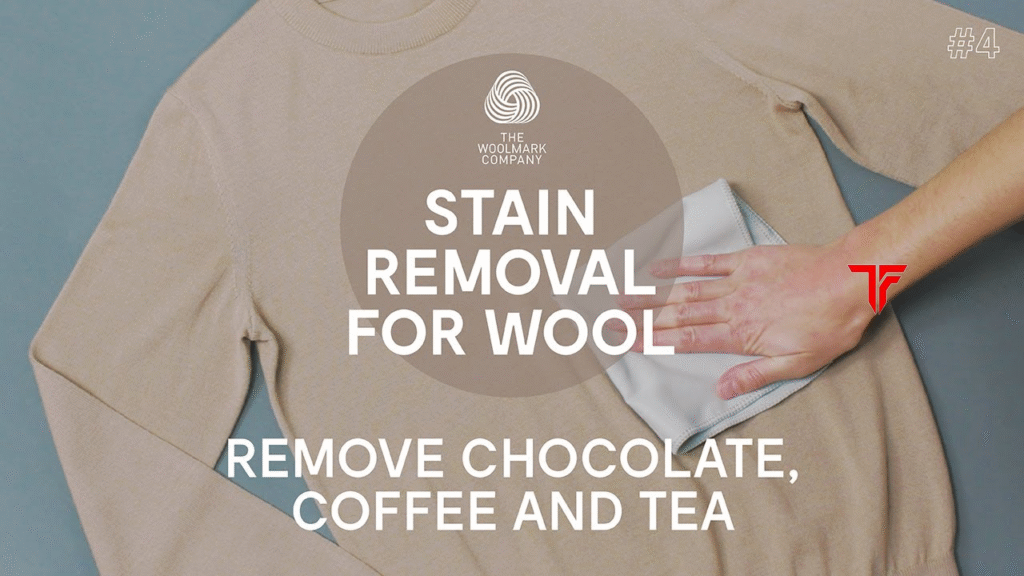
Stains should be treated carefully before washing the entire garment. Create a mild cleaning solution using cool water and a wool-friendly detergent. Put the mixture on the stained spot and carefully blot it using your fingertips or a soft cloth.
Avoid vigorous rubbing because friction can damage the wool fibres and create visible wear spots. Allow the cleaning solution to work on the stain for a few minutes before rinsing gently. Early stain treatment often improves results and prevents permanent discolouration.
Machine-Washing Wool Sweaters Safely
Many modern wool sweaters are designed to be machine washable. If the care label allows machine washing, take precautions to minimise agitation. Turn the sweater inside out and place it inside a mesh laundry bag to protect it from excessive friction during the wash cycle.
Use a specialised wool cycle or hand-wash cycle on your washing machine. Select cold water or a temperature not exceeding 30°C. Choose a low spin speed to reduce stress on the fibres. Use only a wool-specific detergent, as standard detergents may contain enzymes and chemicals that can weaken natural fibres.
Once the cycle is complete, remove the sweater immediately to prevent wrinkles and stretching. Following these steps ensures that machine washing remains a safe option when learning how to wash a wool sweater.
The Correct Way to Dry a Wool Sweater
Drying is often more important than washing when it comes to preserving wool garments. Never place a wool sweater in a tumble dryer because the combination of heat and movement can cause severe shrinkage.
Once washed, softly squeeze out extra water without twisting or wringing the fabric. Lay the sweater flat on a clean towel and roll the towel tightly to absorb moisture. This technique helps remove water while protecting the fibres.
Next, place the sweater on a fresh dry towel or a flat drying rack. Carefully reshape the sleeves, collar, and body to their original dimensions. Allow the sweater to air dry naturally in a shaded area away from direct sunlight, radiators, and heaters. Proper drying helps maintain the garment’s shape and softness.
Common Mistakes to Avoid
Many wool care problems result from simple mistakes. Using hot water, harsh detergents, or high-speed spin cycles can damage fibres and cause shrinkage. Hanging a wet wool sweater is another common error because the weight of the water can stretch the fabric and distort its shape.
Overwashing is also unnecessary. Wool naturally resists odours and dirt, meaning sweaters often require less frequent washing than other fabrics. Targeted stain removal and regular airing help maintain freshness in wool garments between full washes.
Long-Term Wool Sweater Care Tips
Proper storage plays an important role in maintaining wool garments. Always fold wool sweaters rather than hanging them. Hanging can stretch the shoulders and neckline over time.
Store sweaters in a cool, dry place and use breathable storage containers whenever possible. During warmer months, ensure garments are clean before storing them to prevent attracting moths. Regular maintenance, gentle washing, and careful storage significantly extend the life of wool clothing.
Conclusion
Learning how to wash a wool sweater properly is essential for preserving its beauty, comfort, and longevity. Wool is a durable yet delicate natural fibre that requires gentle handling during washing and drying. Hand washing remains the safest method, while machine washing can be effective when performed using appropriate settings and detergents. Equally important is the drying process, which should always be done flat and away from direct heat sources.
By following the correct washing techniques, avoiding common mistakes, and storing your garments properly, you can keep your wool sweaters looking soft, fresh, and well-shaped for many years. Investing a little extra care into wool maintenance ensures that your favourite sweaters remain a valuable part of your wardrobe season after season.
FAQs
1. How often should I wash a wool sweater?
Most wool sweaters only need washing after several wears. Wool naturally resists odours and dirt, making frequent washing unnecessary.
2. Can I wash a wool sweater in hot water?
No. Using hot water can make wool fibres contract, leading to shrinking and felting.
Always use cool or lukewarm water.
3. Is Woolite safe for wool sweaters?
Yes. Woolite and other wool-specific detergents are generally safe because they are formulated for delicate natural fibres.
4. Can I hang a wool sweater to dry?
No. Hanging a wet wool sweater can stretch the fabric and permanently alter its shape. Always dry it flat.
5. What should I do if my wool sweater shrinks?
Soaking the sweater in lukewarm water with a small amount of hair conditioner may help relax the fibres slightly, but severe shrinkage is often permanent.
READ MORE: thefundly
