



Among the many celebrated cured meats of Italy, soppressata stands out as one of the most distinctive and flavorful varieties. Known for its coarse texture, premium cuts of pork, and traditional curing methods, soppressata has earned a respected place in Italian culinary culture. This beloved salami is more than just a deli meat; it is a reflection of centuries-old craftsmanship, regional traditions, and a deep appreciation for preserving food through natural methods. Whether served on a charcuterie board, layered into a sandwich, or used as a pizza topping, soppressata delivers a rich and memorable taste that continues to captivate food lovers around the world.
What Is Soppressata?
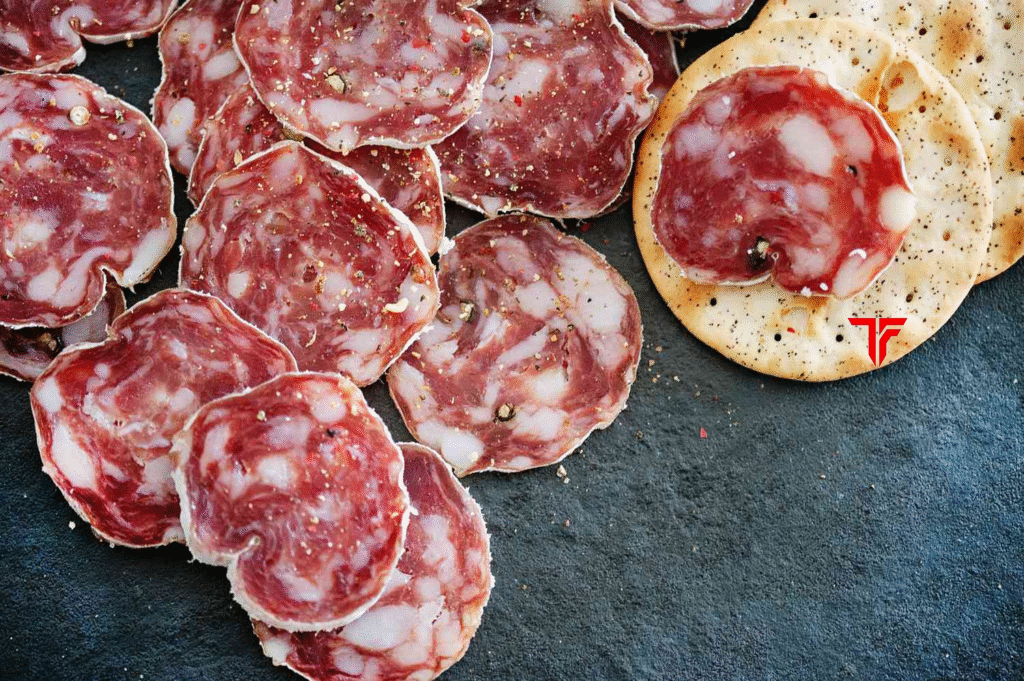
Soppressata is a classic Italian cured meat crafted from high-quality pork and traditionally aged to develop its rich flavour. Unlike many commercial salamis that are finely ground, soppressata is recognised for its coarsely chopped meat and visible pieces of fat, which contribute to its unique texture and flavour profile. The name originates from the Italian word meaning “to press,” referring to the traditional practice of pressing the sausage during the curing process to create its characteristic flattened shape.
The curing process allows the meat to develop complex flavours over time while naturally preserving it. This method has been practised in Italy for generations, making soppressata one of the most respected examples of traditional charcuterie. Its combination of simplicity and craftsmanship has helped it remain a staple in Italian households and speciality food markets alike.
The Rich History of Soppressata
The history of soppressata is deeply connected to rural Italian communities, where families relied on curing techniques to preserve meat throughout the year. Before refrigeration became widely available, preserving pork through salting and drying was essential for ensuring a reliable food supply. Soppressata emerged as one of the most effective and flavorful methods of preservation.
Traditionally, families would gather during the annual pig slaughter season to prepare various cured meats. Every part of the animal was valued, and the finest cuts were often reserved for speciality products such as soppressata. Recipes were carefully passed down from generation to generation, with each region adding its own unique blend of spices and techniques. This strong cultural connection has allowed soppressata to maintain its authenticity even in modern times.
How Soppressata Is Made
The production of soppressata begins with carefully selected cuts of pork, often including lean meat from the loin or ham, combined with flavorful fat from the shoulder. The meat is coarsely ground or chopped and mixed with salt and seasonings. Depending on the region, ingredients such as black pepper, garlic, chilli peppers, cinnamon, or cloves may be added to create distinctive flavour profiles.
Once seasoned, the mixture is stuffed into natural casings and tied securely. In many traditional methods, the sausages are lightly pressed during the curing process to remove air pockets and create their signature flattened appearance. The sausages are then hung in controlled environments where temperature and humidity allow slow fermentation and drying.
During curing, a thin white mould often develops on the exterior. This natural mould is beneficial and helps protect the meat while contributing to flavour development. The curing period may last several weeks or even months, depending on the desired texture and taste.
Regional Variations of Soppressata
One of the most fascinating aspects of soppressata is the variety found across different regions of Italy. Each area has developed its own interpretation, influenced by local ingredients and culinary traditions.
Southern Italian Soppressata
Among Italy’s southern regions, Calabria and Basilicata are particularly known for creating intensely flavoured, spicy soppressata. These varieties often include dried chilli peppers or pepper paste, resulting in a bold and fiery flavour. The use of regional peppers creates a distinctive taste that has become highly popular internationally.
Northern Italian Soppressata
In northern regions such as Veneto, soppressata tends to be milder and more aromatic. Rather than relying on intense heat, these versions emphasise spices like garlic, cloves, cinnamon, and black pepper. The result is a balanced and refined flavour profile.
Tuscan Soppressata
Tuscan soppressata differs significantly from the dry-cured varieties found elsewhere. It is traditionally prepared using parts of the pig’s head and other cuts, creating a product that resembles head cheese more than conventional salami. This unique variation highlights the diversity of Italian food traditions.
Flavour Profile and Texture
The appeal of soppressata lies in its remarkable balance of texture and flavour. The coarse grind allows individual pieces of meat and fat to remain visible, creating a satisfying bite that distinguishes it from smoother salamis. The fat contributes richness and moisture, while the lean meat provides structure and depth.
While recipes vary across regions, soppressata commonly presents a flavorful mix of seasoned pork, subtle tang, and aromatic spices. Spicy versions add a pleasant heat that enhances the overall complexity. The slow curing process concentrates flavours and creates a depth that cannot be replicated through rapid production methods.
Popular Culinary Uses of Soppressata
Soppressata is highly versatile and can be enjoyed in numerous ways. Its robust flavour makes it a valuable ingredient in both simple and elaborate dishes.
One of the most popular uses is on charcuterie boards, where thin slices are paired with aged cheeses, olives, nuts, fruits, and artisan bread. The combination creates a harmonious balance of flavours and textures that appeals to a wide range of tastes.
Soppressata is also widely used as a pizza topping. Its rich and spicy character provides an excellent alternative to traditional pepperoni, particularly on wood-fired pizzas. Many chefs pair it with honey, fresh mozzarella, or roasted vegetables for added complexity.
Sandwiches and paninis benefit greatly from the inclusion of soppressata. Its bold flavour enhances ingredients such as provolone cheese, roasted peppers, lettuce, and olive oil, creating a satisfying and authentic Italian-inspired meal.
Nutritional Value of Soppressata
Like many cured meats, soppressata provides a substantial amount of protein, making it a satisfying addition to meals and snacks. It also contains essential nutrients such as iron, zinc, and certain B vitamins that support overall health.
However, because it is a cured product, soppressata is relatively high in sodium and fat. Moderation is generally recommended as part of a balanced diet. When enjoyed responsibly, it can be a flavorful source of protein and an enjoyable component of traditional cuisine.
Why Soppressata Remains So Popular
The enduring popularity of soppressata can be attributed to its authenticity, craftsmanship, and exceptional flavour. Consumers increasingly appreciate artisanal foods with strong cultural roots, and soppressata perfectly embodies these qualities. Its traditional preparation methods, regional diversity, and rich culinary heritage make it more than just a cured meat—it represents a living tradition that continues to thrive in modern kitchens and restaurants around the world.
Conclusion
Soppressata is one of Italy’s most treasured cured meats, celebrated for its coarse texture, rich flavour, and deep cultural heritage. From its origins in rural Italian communities to its place on modern charcuterie boards and gourmet pizzas, this traditional salami continues to impress food enthusiasts everywhere. Its regional variations, artisanal production methods, and versatile culinary applications ensure that soppressata remains a timeless favourite. Whether enjoyed as a snack, appetiser, or ingredient in a larger dish, soppressata offers an authentic taste of Italian tradition that few foods can match.
Frequently Asked Questions (FAQs)
1. What is soppressata made from?
Soppressata is primarily made from coarsely ground pork, including lean cuts and flavorful pork fat, combined with salt and various seasonings.
2. Is soppressata spicy?
Some varieties, especially those from southern Italy, are spicy due to the inclusion of chilli peppers. Other regional styles are milder and focus on aromatic spices.
3. How is soppressata different from regular salami?
Soppressata typically has a coarser texture, larger pieces of meat and fat, and often a flattened shape resulting from traditional pressing during curing.
4. Can soppressata be eaten without cooking?
Yes, soppressata is a cured meat designed to be eaten as is. It is commonly sliced thin and served on charcuterie boards or sandwiches.
5. How should soppressata be stored?
Soppressata should be stored according to its packaging instructions. Once opened, it is generally best kept refrigerated and consumed within a reasonable period for optimal freshness.
READ MORE: thefundly
